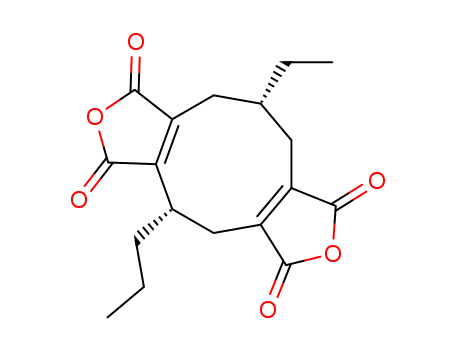
Quality products?make an important contribution to long-term revenue and profitability. BYSSOCHLAMICACID Good Supplier In Bulk Supply High Purity 743-51-1
1.What is the BYSSOCHLAMICACID ?
Used in Pharmaceutical Industry:
BYSSOCHLAMICACID is used as a lead compound for drug discovery and development due to its antifungal and antibacterial properties, which make it a potential candidate for creating new medications to treat diseases caused by various fungi and bacteria.
Used in Antifungal Applications:
In the field of antifungal therapy, BYSSOCHLAMICACID is utilized for its ability to inhibit the growth of fungi, which is crucial in the development of treatments for fungal infections.
Used in Antibacterial Applications:
Similarly, in antibacterial applications, BYSSOCHLAMICACID serves as an agent that can combat bacterial infections, given its demonstrated antibacterial capabilities.
Used in Enzyme Inhibition Research:
BYSSOCHLAMICACID is also used as a research tool in studying enzyme inhibition, which is significant for understanding its mechanism of action and potential applications in medicine.
Overall, BYSSOCHLAMICACID's multifaceted applications in the medical and pharmaceutical sectors highlight its importance in the ongoing quest for effective treatments against infectious diseases.
-
-
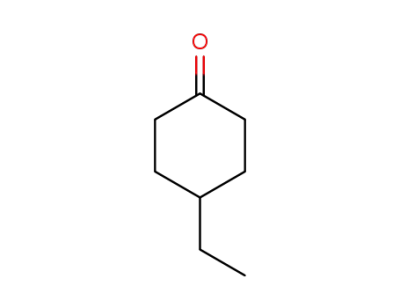
5441-51-0
4-ethylcyclohexanone

-
-
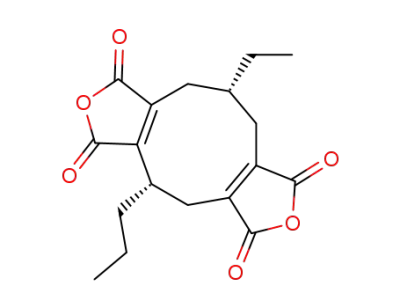
743-51-1
(+)-byssochlamic acid
| Conditions | Yield |
|---|---|
|
Multi-step reaction
with
16
steps
1.1: 93 percent / NaH / benzene / 1.5 h / Heating
2.1: Br2
/ diethyl ether / 2.17 h / 0 °C
3.1: 39 percent / methanol / 0 - 20 °C
4.1: 98 percent / porcine liver esterase; aq. Na2
HPO4
; aq. K2
HPO4
/ acetone / 3 h / 20 °C / pH 7
5.1: triethylamine / tetrahydrofuran / 0.5 h / 0 °C
5.2: 89 percent / NaBH4
/ H2
O / 0.5 h / 0 °C
6.1: 93 percent / TsOH monohydrate / CH2
Cl2
/ 1 h / 20 °C
7.1: DIBAL-H / CH2
Cl2
; hexane / 1 h / -78 °C
7.2: 91 percent / Rochelle's salt / CH2
Cl2
/ 0.33 h
8.1: 95 percent / 2,6-lutidine / CH2
Cl2
/ 1 h / 0 °C
9.1: 71 percent / MgBr2
/ diethyl ether / 5 h / 20 °C
10.1: 60 percent / EDCl; DMAP / CH2
Cl2
/ 4 h / 20 °C
11.1: aq. HF / acetonitrile / 1.5 h / 20 °C
12.1: 23.6 mg / DCC; DMAP*HCl / CHCl3
/ 20 h / Heating
13.1: CH2
Cl2
/ Photolysis
14.1: aq. LiOH / dioxane / 1.5 h / 50 °C
15.1: KMnO4
/ H2
O; dioxane / 1 h / 40 °C
16.1: aq. HCl
With
2,6-dimethylpyridine; hydrogenchloride; porcine liver esterase; dmap; lithium hydroxide; potassium permanganate; dipotassium hydrogenphosphate; disodium hydrogenphosphate; hydrogen fluoride; bromine; 4-(dimethylamino)pyridine hydrochloride; sodium hydride; diisobutylaluminium hydride; toluene-4-sulfonic acid; 1-ethyl-(3-(3-dimethylamino)propyl)-carbodiimide hydrochloride; triethylamine; dicyclohexyl-carbodiimide; magnesium bromide;
In
tetrahydrofuran; 1,4-dioxane; methanol; diethyl ether; hexane; dichloromethane; chloroform; water; acetone; acetonitrile; benzene;
1.1: Condensation / 2.1: Bromination / 3.1: Favorski rearrangement-elimination / 4.1: asymmetric hydrolysis / 5.1: Addition / 5.2: Reduction / 6.1: Addition / 7.1: Reduction / 7.2: Reduction / 8.1: silylation / 9.1: acetal cleavage / 10.1: Esterification / 11.1: desilylation / 12.1: Keck-Steglich lactonization / 13.1: Cycloaddition / 14.1: Hydrolysis / 15.1: Oxidation / 16.1: dehydrative cyclization;
|
|
|
Multi-step reaction
with
16
steps
1.1: 93 percent / NaH / benzene / 1.5 h / Heating
2.1: Br2
/ diethyl ether / 2.17 h / 0 °C
3.1: 39 percent / methanol / 0 - 20 °C
4.1: 98 percent / porcine liver esterase; aq. Na2
HPO4
; aq. K2
HPO4
/ acetone / 3 h / 20 °C / pH 7
5.1: triethylamine / tetrahydrofuran / 0.5 h / 0 °C
5.2: 89 percent / NaBH4
/ H2
O / 0.5 h / 0 °C
6.1: 93 percent / TsOH monohydrate / CH2
Cl2
/ 1 h / 20 °C
7.1: DIBAL-H / CH2
Cl2
; hexane / 1 h / -78 °C
7.2: 91 percent / Rochelle's salt / CH2
Cl2
/ 0.33 h
8.1: 95 percent / 2,6-lutidine / CH2
Cl2
/ 1 h / 0 °C
9.1: 71 percent / MgBr2
/ diethyl ether / 5 h / 20 °C
10.1: 60 percent / EDCl; DMAP / CH2
Cl2
/ 4 h / 20 °C
11.1: aq. HF / acetonitrile / 1.5 h / 20 °C
12.1: 23.6 mg / DCC; DMAP*HCl / CHCl3
/ 20 h / Heating
13.1: CH2
Cl2
/ Photolysis
13.2: toluene / Heating
14.1: aq. LiOH / dioxane / 1.5 h / 50 °C
15.1: KMnO4
/ H2
O; dioxane / 1 h / 40 °C
16.1: aq. HCl
With
2,6-dimethylpyridine; hydrogenchloride; porcine liver esterase; dmap; lithium hydroxide; potassium permanganate; dipotassium hydrogenphosphate; disodium hydrogenphosphate; hydrogen fluoride; bromine; 4-(dimethylamino)pyridine hydrochloride; sodium hydride; diisobutylaluminium hydride; toluene-4-sulfonic acid; 1-ethyl-(3-(3-dimethylamino)propyl)-carbodiimide hydrochloride; triethylamine; dicyclohexyl-carbodiimide; magnesium bromide;
In
tetrahydrofuran; 1,4-dioxane; methanol; diethyl ether; hexane; dichloromethane; chloroform; water; acetone; acetonitrile; benzene;
1.1: Condensation / 2.1: Bromination / 3.1: Favorski rearrangement-elimination / 4.1: asymmetric hydrolysis / 5.1: Addition / 5.2: Reduction / 6.1: Addition / 7.1: Reduction / 7.2: Reduction / 8.1: silylation / 9.1: acetal cleavage / 10.1: Esterification / 11.1: desilylation / 12.1: Keck-Steglich lactonization / 13.1: Cycloaddition / 13.2: thermal cycloreversion / 14.1: Hydrolysis / 15.1: Oxidation / 16.1: dehydrative cyclization;
|
-
-
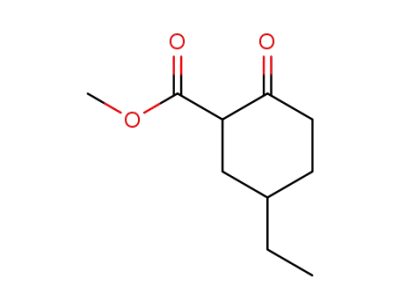
114862-60-1
methyl 5-ethyl-2-oxo-cyclohexancarboxylate
-
-
743-51-1
(+)-byssochlamic acid
| Conditions | Yield |
|---|---|
|
Multi-step reaction
with
15
steps
1.1: Br2
/ diethyl ether / 2.17 h / 0 °C
2.1: 39 percent / methanol / 0 - 20 °C
3.1: 98 percent / porcine liver esterase; aq. Na2
HPO4
; aq. K2
HPO4
/ acetone / 3 h / 20 °C / pH 7
4.1: triethylamine / tetrahydrofuran / 0.5 h / 0 °C
4.2: 89 percent / NaBH4
/ H2
O / 0.5 h / 0 °C
5.1: 93 percent / TsOH monohydrate / CH2
Cl2
/ 1 h / 20 °C
6.1: DIBAL-H / CH2
Cl2
; hexane / 1 h / -78 °C
6.2: 91 percent / Rochelle's salt / CH2
Cl2
/ 0.33 h
7.1: 95 percent / 2,6-lutidine / CH2
Cl2
/ 1 h / 0 °C
8.1: 71 percent / MgBr2
/ diethyl ether / 5 h / 20 °C
9.1: 60 percent / EDCl; DMAP / CH2
Cl2
/ 4 h / 20 °C
10.1: aq. HF / acetonitrile / 1.5 h / 20 °C
11.1: 23.6 mg / DCC; DMAP*HCl / CHCl3
/ 20 h / Heating
12.1: CH2
Cl2
/ Photolysis
13.1: aq. LiOH / dioxane / 1.5 h / 50 °C
14.1: KMnO4
/ H2
O; dioxane / 1 h / 40 °C
15.1: aq. HCl
With
2,6-dimethylpyridine; hydrogenchloride; porcine liver esterase; dmap; lithium hydroxide; potassium permanganate; dipotassium hydrogenphosphate; disodium hydrogenphosphate; hydrogen fluoride; bromine; 4-(dimethylamino)pyridine hydrochloride; diisobutylaluminium hydride; toluene-4-sulfonic acid; 1-ethyl-(3-(3-dimethylamino)propyl)-carbodiimide hydrochloride; triethylamine; dicyclohexyl-carbodiimide; magnesium bromide;
In
tetrahydrofuran; 1,4-dioxane; methanol; diethyl ether; hexane; dichloromethane; chloroform; water; acetone; acetonitrile;
1.1: Bromination / 2.1: Favorski rearrangement-elimination / 3.1: asymmetric hydrolysis / 4.1: Addition / 4.2: Reduction / 5.1: Addition / 6.1: Reduction / 6.2: Reduction / 7.1: silylation / 8.1: acetal cleavage / 9.1: Esterification / 10.1: desilylation / 11.1: Keck-Steglich lactonization / 12.1: Cycloaddition / 13.1: Hydrolysis / 14.1: Oxidation / 15.1: dehydrative cyclization;
|
|
|
Multi-step reaction
with
15
steps
1.1: Br2
/ diethyl ether / 2.17 h / 0 °C
2.1: 39 percent / methanol / 0 - 20 °C
3.1: 98 percent / porcine liver esterase; aq. Na2
HPO4
; aq. K2
HPO4
/ acetone / 3 h / 20 °C / pH 7
4.1: triethylamine / tetrahydrofuran / 0.5 h / 0 °C
4.2: 89 percent / NaBH4
/ H2
O / 0.5 h / 0 °C
5.1: 93 percent / TsOH monohydrate / CH2
Cl2
/ 1 h / 20 °C
6.1: DIBAL-H / CH2
Cl2
; hexane / 1 h / -78 °C
6.2: 91 percent / Rochelle's salt / CH2
Cl2
/ 0.33 h
7.1: 95 percent / 2,6-lutidine / CH2
Cl2
/ 1 h / 0 °C
8.1: 71 percent / MgBr2
/ diethyl ether / 5 h / 20 °C
9.1: 60 percent / EDCl; DMAP / CH2
Cl2
/ 4 h / 20 °C
10.1: aq. HF / acetonitrile / 1.5 h / 20 °C
11.1: 23.6 mg / DCC; DMAP*HCl / CHCl3
/ 20 h / Heating
12.1: CH2
Cl2
/ Photolysis
12.2: toluene / Heating
13.1: aq. LiOH / dioxane / 1.5 h / 50 °C
14.1: KMnO4
/ H2
O; dioxane / 1 h / 40 °C
15.1: aq. HCl
With
2,6-dimethylpyridine; hydrogenchloride; porcine liver esterase; dmap; lithium hydroxide; potassium permanganate; dipotassium hydrogenphosphate; disodium hydrogenphosphate; hydrogen fluoride; bromine; 4-(dimethylamino)pyridine hydrochloride; diisobutylaluminium hydride; toluene-4-sulfonic acid; 1-ethyl-(3-(3-dimethylamino)propyl)-carbodiimide hydrochloride; triethylamine; dicyclohexyl-carbodiimide; magnesium bromide;
In
tetrahydrofuran; 1,4-dioxane; methanol; diethyl ether; hexane; dichloromethane; chloroform; water; acetone; acetonitrile;
1.1: Bromination / 2.1: Favorski rearrangement-elimination / 3.1: asymmetric hydrolysis / 4.1: Addition / 4.2: Reduction / 5.1: Addition / 6.1: Reduction / 6.2: Reduction / 7.1: silylation / 8.1: acetal cleavage / 9.1: Esterification / 10.1: desilylation / 11.1: Keck-Steglich lactonization / 12.1: Cycloaddition / 12.2: thermal cycloreversion / 13.1: Hydrolysis / 14.1: Oxidation / 15.1: dehydrative cyclization;
|
2.What is the CAS number for BYSSOCHLAMICACID ?
The CAS number of BYSSOCHLAMICACID is 743-51-1.
More information of BYSSOCHLAMICACID 743-51-1 are:
|
CAS?Number |
743-51-1 |
|
PSA |
86.74000 |
|
LogP |
2.37280 |
3.What are another words for BYSSOCHLAMICACID ?
Synonyms?for?BYSSOCHLAMICACID 743-51-1:1,5-Cyclononadiene-1,2,5,6-tetracarboxylic1,2:5,6-dianhydride, 8-ethyl-3-propyl- (7CI,8CI);1H-Cyclonona[1,2-c:5,6-c']difuran-1,3,6,8(4H)-tetrone,10-ethyl-5,9,10,11-tetrahydro-4-propyl-, [4S-(4R*,10S*)]-; (+)-ByssochlamicAcid; Byssochlamic acid
4.What is the molecular formula of BYSSOCHLAMICACID?
The chemical formula of ?BYSSOCHLAMICACID is?C18H20 O6 which containing 18 Carbon atoms,20 Hydrogen atoms and 6 Oxygen atoms,and the molecular weight of??BYSSOCHLAMICACID?is 332.353.
5.What is BYSSOCHLAMICACID (743-51-1) used for?
BYSSOCHLAMICACID, a naturally occurring chemical compound, is produced by specific fungi and is recognized for its notable pharmacological properties. It exhibits antifungal and antibacterial activities, making it a candidate of interest in the field of drug discovery and development. Its potential to inhibit certain enzymes further underscores its value in medicinal research, positioning it as a promising lead compound for the creation of new drugs to combat fungal and bacterial diseases.
Relevant articles related to BYSSOCHLAMICACID:
|
Article |
Source |
|
Enantiospecific synthesis of (+)-byssochlamic acid, a nonadride from the ascomycete Byssochlamys fulva |
White, James D.,Kim, Jungchul,Drapela, Nicholas E. , p. 8665 - 8671 (2007/10/03) |
6.Buy BYSSOCHLAMICACID with the best price .
Shanghai Sheng Zhan Chemical Technology Co., Ltd is a quality supplier of BYSSOCHLAMICACID. Our main goal is customer satisfaction. Contact us to negotiate the best price for your business on BYSSOCHLAMICACID 743-51-1.